How to Choose an Agriturismo for the Kind of Trip You Want
Choose an agriturismo that fits your travel style by weighing its setting, food, and pace against the days you actually want to spend there.
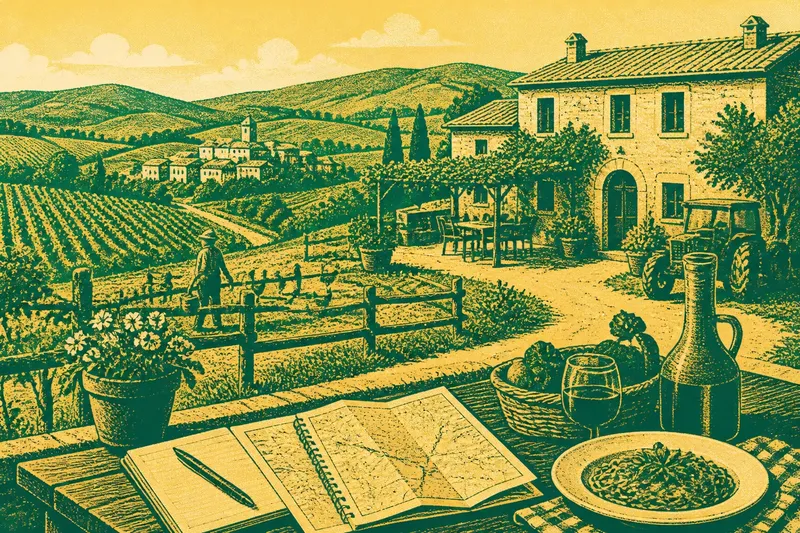
Choosing an agriturismo often comes down to a quieter question than “Which room looks best?”: what do you want an ordinary day there to feel like? An agriturismo’s setting and pace can shape whether you spend the afternoon among olive trees, linger over a meal, or head out to explore nearby towns.
Start with the kind of trip you want, then look for a property whose character supports it. A working farm, a village-edge guesthouse, and a rural estate can all offer a memorable stay, but they invite different expectations.
Trip Shape
Before comparing properties, describe your plans in plain language. You might want unhurried days at the accommodation, a base for visiting historic towns, or a closer look at local food traditions. These aims point toward different choices.
If you expect to spend much of the day away, map the places you most want to visit and compare routes from each property. If you hope to stay put, look for outdoor areas, meal arrangements, and nearby paths that make time at the property appealing.
Keep the intended pace in view as you browse. A remote location may suit a restful stay; a place near a village may make spontaneous errands or dinner easier.
Agriturismo Setting
A listing’s description of “countryside” can cover very different surroundings. Look for specific references to vineyards, orchards, olive groves, pasture, woodland, or a village setting. Property photographs can help, but pair them with a map so you can see what lies beyond the camera’s frame.
Notice whether guest spaces face a working yard, open fields, or neighboring homes. Shared terraces and gardens may create a sociable atmosphere, while a separate patio can offer more privacy. If the distinction matters to you, ask the host how the outdoor areas are arranged.
For a sense of the approach, check the mapped route and read the directions. A narrow lane, steep section, or unpaved stretch can affect how comfortable your arrival feels, especially if you are driving after dark. Confirm parking and arrival arrangements rather than assuming they are included.
Food and Farm Life
Food is often part of the appeal, but the details differ by property. Check whether breakfast is included, whether dinner is offered on selected evenings, and whether meals need to be arranged ahead of time. If you have dietary needs, ask what the kitchen can accommodate before booking.
Farm activity also varies. Some guests may see animals being cared for or seasonal work underway; at other properties, the agricultural setting is present without a planned visitor activity. Ask what guests can observe and where, so you can respect the work and avoid expecting an experience that is not offered.
Imagine you want a quiet weekend and find a vineyard property that serves dinner only on certain evenings. You check the meal schedule, map the nearest village, and ask whether the walk there is suitable after dark. If dinner is unavailable on your chosen night and the route is not a comfortable walk, you can decide to bring food, arrange a ride, or choose a property with more convenient dining.
Booking Questions?
How do I compare an agriturismo with a village stay?
Compare the setting and the daily routines you care about: a rural property may offer more time among agricultural surroundings, while a village location can put shops and restaurants closer. Check the actual route to services rather than relying on a listing’s broad location description.
What should I ask about meals?
Ask which meals are available on your dates, whether they require advance booking, and how dietary requests are handled. That answer helps you plan evenings without assuming the property serves food every day.
Can guests take part in farm activities?
Do not assume that a working farm offers organized visits or hands-on activities. Ask whether guests may observe any work, what arrangements apply, and which areas are off-limits.
How can I judge the approach to a rural property?
Review the route on a map and read the host’s directions for details about the final stretch. Ask about road surface, parking, and arrival instructions if any part of the route could affect your plans.
Compare the Fit
Use a short comparison list to make each property’s tradeoffs visible. For every item, note what you observe and what decision follows:
- Setting: Check whether the listing places the property among fields, near a village, or among other homes. If that matches the atmosphere you want, keep it on your list; if not, compare another setting.
- Daily plans: Map the towns, trails, or sites you expect to visit. If the routes suit your intended pace, consider the property; if they feel burdensome, look for a better base.
- Meals: Check which meals are available on your dates and whether you must arrange them ahead. If the schedule fits, plan around it; if it does not, confirm nearby options or choose another property.
- Farm activity: Look for details about animals, seasonal work, or guest observation. If the activity appeals to you, ask how to observe respectfully; if you prefer calm, ask about rooms away from working areas or consider a different setting.
- Outdoor space: Check whether the garden, terrace, or pool is private or shared. If the arrangement suits your expectations, proceed; if not, ask for clarification or compare another listing.
- Arrival: Check the final route, parking, and stated arrival arrangements. If they suit your travel plans, keep the property in consideration; if they do not, ask about alternatives or choose a more accessible location.
- Nearby services: Check the route to a shop, restaurant, or village center. If it is practical for your plans, note that convenience; if not, decide whether you are comfortable relying on a car or select a place closer to services.
Keep the answers alongside what attracts you to each place. A beautiful view may be worth a longer drive, while convenient meals may matter more than a secluded setting. Choose according to the tradeoff you are genuinely willing to make.
Choose Your Rhythm
A good agriturismo choice does not have to satisfy every preference. It should support the kind of stay you want, while making its limitations clear before you arrive. Read the property details, compare routes, and ask direct questions about anything that could change your plans.
When you search for an agriturismo, compare more than the room: consider the landscape, food arrangements, farm activity, and the routes you expect to travel. A clear picture of an ordinary day makes it easier to tell whether a property’s character fits your own plans.